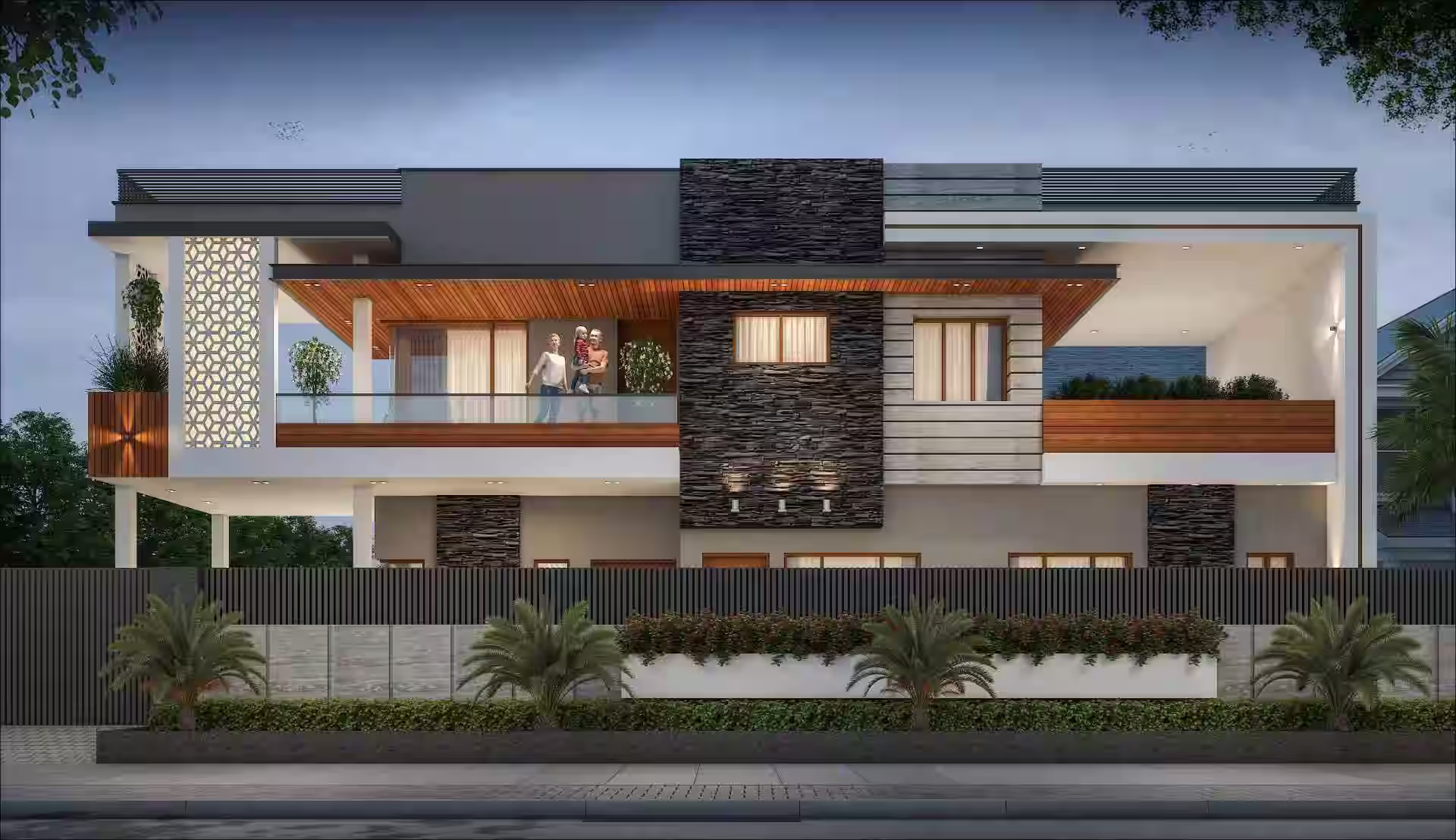
The best option if you want to build a home in Dehradun is to hire a licensed residential architects in Dehradun. Its unique geometric environment is determined by the environmental circumstances of the locale, regional laws, slope plots, and earthquake concerns. An exceptional architect does more than simply “draw plans”; they convert your daily routine, budget, and plot specifications into a house that is safe, secure, and useful.
Why Dehradun Needs a Different Design Lens with Residential Architects in Dehradun
Dehradun’s a spot in the lower part of the The Himalayas implies:
Get premium construction services with 100% transparency, MDDA approved maps, and earthquake-resistant engineering.
- Climate-conscious residences: could face harsh monsoons, warm summers, and frigid winters. Ventilation, which shade, and introductions are important considerations.
- Seismic safety: A great deal of Uttarakhand, the exists in active earthquake zones. When choosing a foundation type, reinforcing details, or wall systems, safety must come first.
- Different lot profiles: From level locations along city streets to gently sloping land on the outskirts, drainage, levels, as well as retaining solutions affect both the cost and the design.
- Local bylaws: Water from the rain harvesting, accommodation, FAR, construction limits, and obstacles are all subject to local authorities. An engineer from the neighborhood knows how to deal with permissions.
What a Residential Architect Actually Does
A modern home architect generally provides comprehensive support:
Design Preparation and Sustainability
- Wind and sun studies, ground or defining analysis, and site inspection.
- Find out what is permitted on your plot by reading the bylaws.
Sketch when Design Sketch
- Arranging spaces based on your lifestyle (number of family members, need for privacy, working from home, elderly people, pets, etc.).
- 2D designs and massing decisions; initial ideas for walls and rises.
Design Development
- comprehensive designs for the dining area, attire, lighting, stairway layouts, furniture placements, and room measurements.
- Material palettes include things like windows, paints, tiles, wood, brick, and stone.
Establishing Integration along with MEP
- collaboration between architects and builders for seismic protection.
- Plans for wiring, HVAC, water supply, and rainwater collection.
Eco-Friendly Design
- Pergolas, shaded terraces, cross-ventilation, and orientation-led cooling.
- Low-flow fixtures, wastewater reuse, solar PV preparedness, along with solar hot water.
Communication & Recognition Sketches
- creating the official records along with drawings that the local authorities demand.
- advice regarding mandated submissions when no objections (if applicable).
Documentation for Construction
- Assembly specifics, door-window times, or the Football Club (Good For Construction) paintings.
- BOQs/specs for both price and quality control.
Site Monitoring
- regular site inspections to guarantee that the design intent is carried out correctly.
- Inspections for quality while contractor motor skills.
Interior Design
- bespoke lighting, bathrooms, wardrobes, kitchens, and false ceilings.
- assistance with material sourcing and, if required, mock-ups.
Design Priorities That Pay Off in Dehradun
- First, passive cooling: Sheltered courtyards, conditioned roofs, deep verandas, as well as chajas all reduce AC loads.
- North-light windows, light shelves, and skylights with appropriate obscuring are examples of daylight without glare.
- Rain management techniques include well-planned drainage from the surface, protected entrances, spacious, spotless gutters, and rainwater collection pits.
- Thermal comfort: Efficiency windows that is focused, cavity/insulated walls, in addition protected roofs.
- Future-proofing features include smart-home building conduits, adaptable rooms, while place to stay lifts in the ladder core.
Styles Popular Residential Architects in Dehradun (and How They Perform)
- Clean lines, wide apertures, as well as monochromatic color schemes characterize modern minimalism, which complements high-performance glass and shading.
- Mountain Contemporary: sloped/dual-pitch rooftops via extended rooftops, rocks siding, humid lumber tones—perfect for protecting against monsoons and creating a classic hill look.
- Tropical Modern: Perfect over greater plots; features fountains, breeze avenues, and spaces that help mitigate heat.
- Traditional with regional touches: far verandas, drywall mouldings, as well stone or stone accents—all long-lasting and low-maintenance.
Typical Timeline (Indicative)
- Concept and pre-design: two to four weeks
- Design creation: three to six weeks
- Approvals are contingent upon keep track of preparedness as well as power preparation.
- Tender and working drawings: three to six weeks
- Most single-family homes take between nine and sixteen months to construct; this depends on factors like size, complexity, and finishes.
- Design should begin early. Hasty sketches and permits result in expensive site modifications.
Budgeting: Where the Money Really Goes
- Shell and structure: 40–55% of the total construction budget
- MEP: 10–20% for HVAC, plumbing, and electrical
- Flooring, tiles, paint, and windows and doors: 20–30%
- Built-ins and interiors: 10% to 20%
- External and landscape projects: 3–8%
- Professional services: Investing in architects, engineers, as well as approvals is crucial for lowering mistakes, delays, and lifetime expenses.
- You might regulate quality and budget by locking scope, materials, and vendors with the assistance of an experienced architect.
Sustainable & Low-Maintenance Choices That Work Locally
- Materials: ACC blocks, the fly-ash bricks, regional stone, and, when appropriate, lime-based plasters.
- Water: Percolation, also sets and rainwater collection; native plants to reduce irrigation.
- Energy: Inverter-ready circuits, high-efficiency appliances, as well solar PV readiness.
- Envelope: Permeable building exteriors which regulate dampness, ventilated attics, alongside insulation the roofing (PUF/XPS).
- Waste: recycling gray water in landscaping duties rotting for trash from the kitchen, and also differentiation chutes.
Inside the Approval Pack (What to Expect)
The details of the plot and municipal demands will determine the precise list, but be ready:
- Sections, elevations, layouts, and site plans
- FAR operations or space assertions
- Charts to parking, difficulties. Sublimation or heights compliance
- Certificate of structural stability (from a licensed engineer)
- Details of water harvesting and sanitation
- Provisions for fire safety (if applicable) When necessary, your architect will coordinate with empanelled consultants and lead the sequence.
How to Choose the Right Residential Architect in Dehradun
Sort by fit rather than just cost. Seek out:
- Similar plot sizes and contexts (corner plot, sloped site, narrow front) make this local work pertinent.
- Process clarity: Decision checkpoints, deliverables, and milestones.
- Technical depth: BIM/3D at which needed, institutional interaction, alongside The acronym MEP knowledge.
- Communication: Transparency in change management, documentation, and responsiveness.
- Site supervision: Reporting format, frequency, and escalation procedure.
- References: Consult previous customers regarding schedules, modifications, and post-handover assistance.
Questions to Ask in the First Meeting
- How are you going to handle ventilation, daylighting, and climate for my plot orientation?
- Which three risks do you think are most important for my site and budget? When I’m not there, how do you maintain quality control on site?
- What blueprints and information will I get prior to the start of construction?
- How do you respond to changes and cost adjustments in the middle of a project?
Common Mistakes to Avoid
- Without full drawings, construction can begin.
- West has the excessive glazing (glare, heat gain)
- Ignoring waterproofing and insulation on the roof
- Gutter and downpipe undersizing for the intensity of the monsoon
- Not organizing storage (outdoor store, utility, or attic)
- Ignoring future requirements (EV charging, home office, and elder-friendly access)
Interior Architecture Consultant Dehradun: Where Lifestyle Meets Plan
- Kitchens: Proper exhaust, under-cabinet lighting, daylight above the counter, and work triangle.
- Bathroom features include hidden cisterns, slip-resistant tiles, natural light and ventilation, and a good slope to drains.
- Bedrooms: Cross-breeze windows, wardrobes with precise depths, and acoustic seclusion.
- Living/dining: views of the green, controlled glare, and layered lighting (ambient, task, and accent).
- Staircase: a skylight if practical, a comfortable riser:tread ratio, and handrails on both sides if at all possible.
Smart Home & Electrical Planning
- First provision, then technology: Data, security camera, and EV charging conduits.
- Lighting circuits: To control expenses, keep task and decorative lighting apart.
- Determine which circuits are necessary for the UPS or inverter (fridge, study, Wi-Fi, key lights).
- In monsoon seasons that are prone to storms, surge protection is essential.
Working with Contractors (and Keeping Peace on Site)
- Apples-to-apples bids for a tender with drawings and specifications.
- Scope, timeline, quality standards, late fees, and escalation matrix are all included in the signed contract.
- Before placing a bulk order, approve material submittals and mock-ups.
- Site meetings: set time and day; decisions are recorded; minutes are shared.
- Checklists for quality: Slab casting, waterproofing, tiling, paint, and foundations.
FAQs: Residential Architects in Dehradun
Q1. When should I hire an architect?
as soon as a plot is purchased or shortlisted. Early involvement aids in budget alignment, feasibility, and the avoidance of redesigns.
Q2. Do architects also handle approvals?
Yes, the majority offer liaison support, approval drawings, and specialist coordination. You will remain the owner/applicant.
Q3. How do architects charge?
Typical models include a lump sum for a specified scope, a percentage of the project cost, or a hybrid (design + site visits). Transparency is more important than the lowest sticker price.
Q4. Can I save money by skipping detailed drawings?
Perhaps in the short term. In the long run, you run the risk of mistakes, delays, rework, and increased maintenance. Detailed GFC drawings are self-sufficient.
Q5. What about sustainability—won’t it be expensive?
Orientation, shading, cross-ventilation, and insulation are examples of passive strategies that frequently lower lifetime costs. Invest in the envelope first, then the technology.
Conclusion
Ghughuti Infra our partner in transforming a plot into a sturdy, cozy, and exquisite home that adheres to budget, codes, and climate is a residential architect in Dehradun. Put process above all else; well-designed drawings and well-coordinated engineering save time and money both during and after construction.